
Industry insights
From smart glasses to automotive lidar: the consistency challenge behind one connector
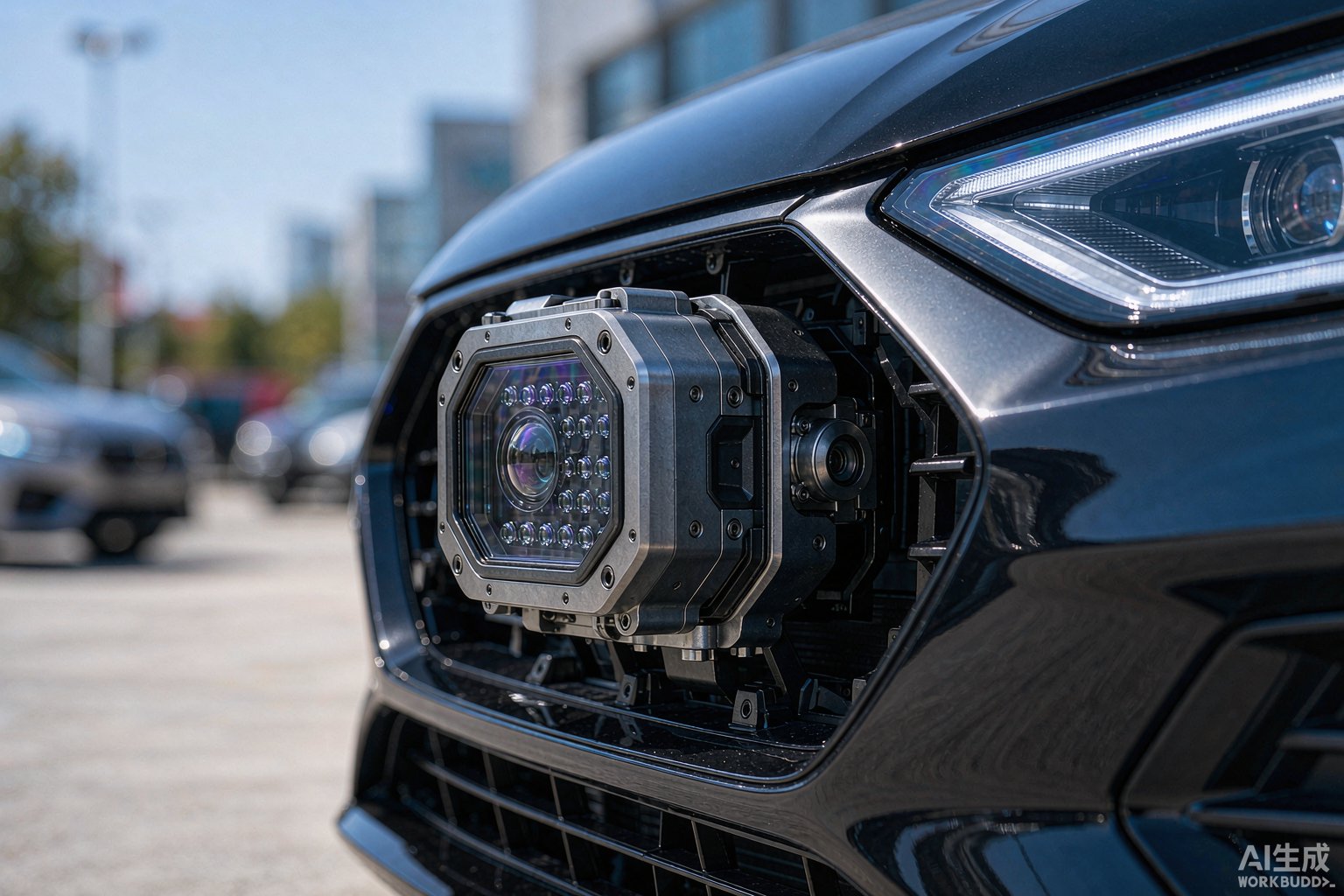
When device clearances shrink to the 0.1mm level, connector choice starts to shape the mechanical architecture itself.
Smart glasses and automotive lidar look like two industries, but on the connector side they ask the same question: can the 100,000th piece be the same as the first?
For glasses the constraint is space: often under 1.5mm of width inside the temple, mating height pushed down to 0.5mm, terminals that must be finer and denser. For lidar, mowers and robot vacuums the constraint is the environment: continuous vibration, wide temperature range and long life, where a small drift in contact resistance turns into a failure years later.
Both constraints end up pointing at process: terminal position guaranteed by the mold rather than corrected by hand at assembly; plating applied only where conduction and wear resistance are actually needed, with measurable and traceable thickness; dimensional, impedance and mating-life checks before shipment, with data on file.
Consistency is not a single inspection criterion. It is a method for locking the variables into the mold and into the process.